


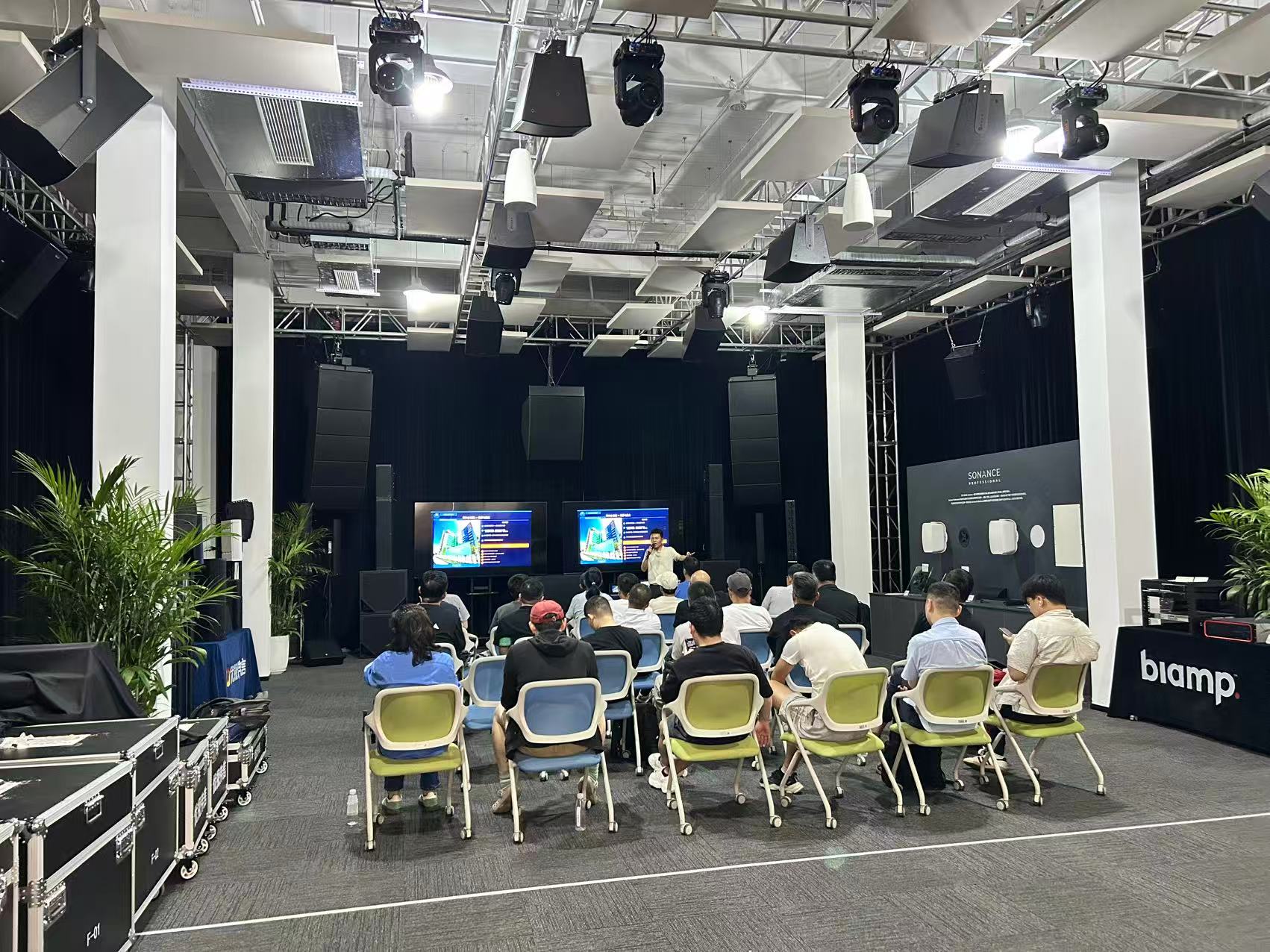
On September 15, the AV-over-IP International Standards and Network Design Training was held at the You Shi Wei Xin audio showroom in Shanghai. Covering AV-over-IP international standards, IP networking fundamentals, converged audio, video interoperability, and complex network design, the session moved from protocols and standards into practical system design for increasingly IP-based AV environments.
As audio, video, and control services continue to migrate onto IP networks, AV-over-IP systems must address bandwidth, latency, multicast, clock synchronization, and traffic prioritization at the same time.
The training therefore began with AV-over-IP standards and IP network requirements, reviewing core topics such as multicast, QoS, clock synchronization, and bandwidth planning in professional AV networks.

The switching network is a fundamental part of the overall system. As endpoint counts and service types increase, switches are no longer responsible only for basic packet forwarding; they must also support multicast management, traffic prioritization, link bandwidth planning, and communication across multiple switches.
In real projects, network design therefore needs to expand from individual device configuration to an overall plan covering the access layer, core layer, VLANs, QoS, and long-term operations.
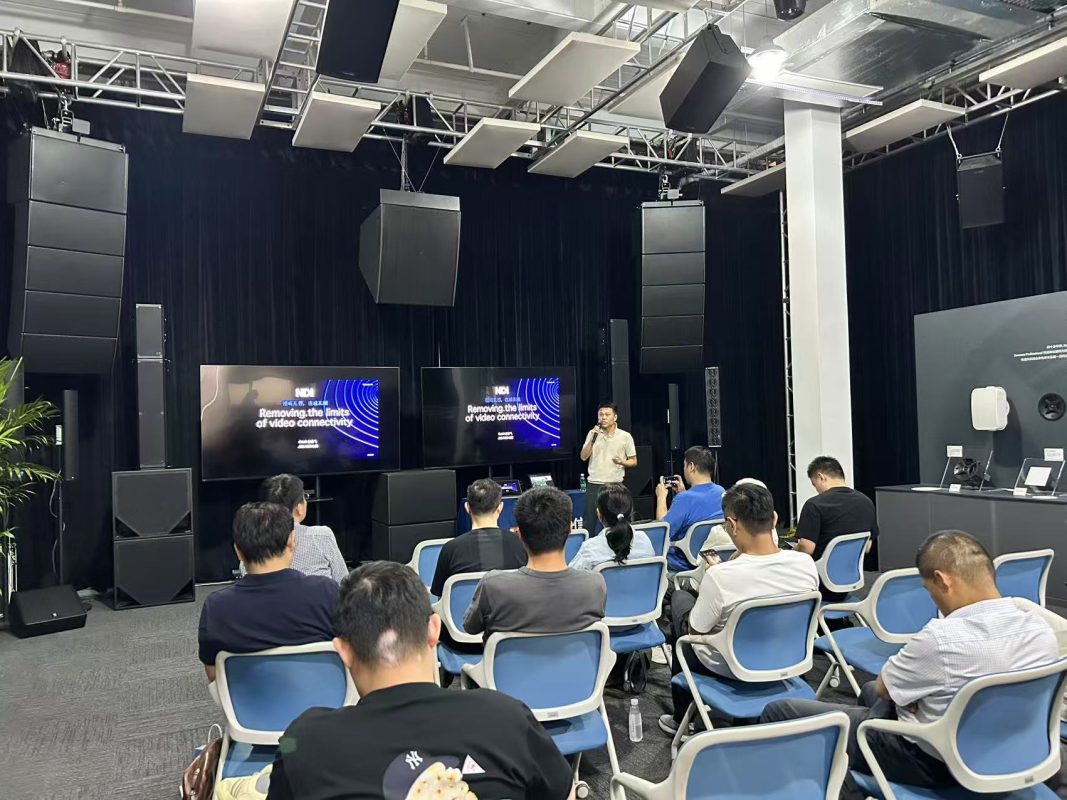
The discussion around NDI focused on device interoperability and practical applications. As cameras, codecs, production software, and other devices become increasingly IP-based, NDI enables compatible devices to discover and connect with one another over the network while carrying real-time audio and video, allowing video systems to move from traditional point-to-point connections toward more flexible networked workflows.
When this type of video traffic shares the same network with audio, control, and other data, the design of the underlying network infrastructure—and how different services can coexist reliably—becomes an important part of the overall system architecture.

AVB introduces another set of requirements for converged audio networking. Designed for time- and latency-sensitive audio and video traffic, AVB uses mechanisms such as time synchronization and traffic scheduling to support reliable real-time audio transport over Ethernet. In professional audio systems, effective management of clocking, latency, and bandwidth resources is critical to the stability of a converged network.
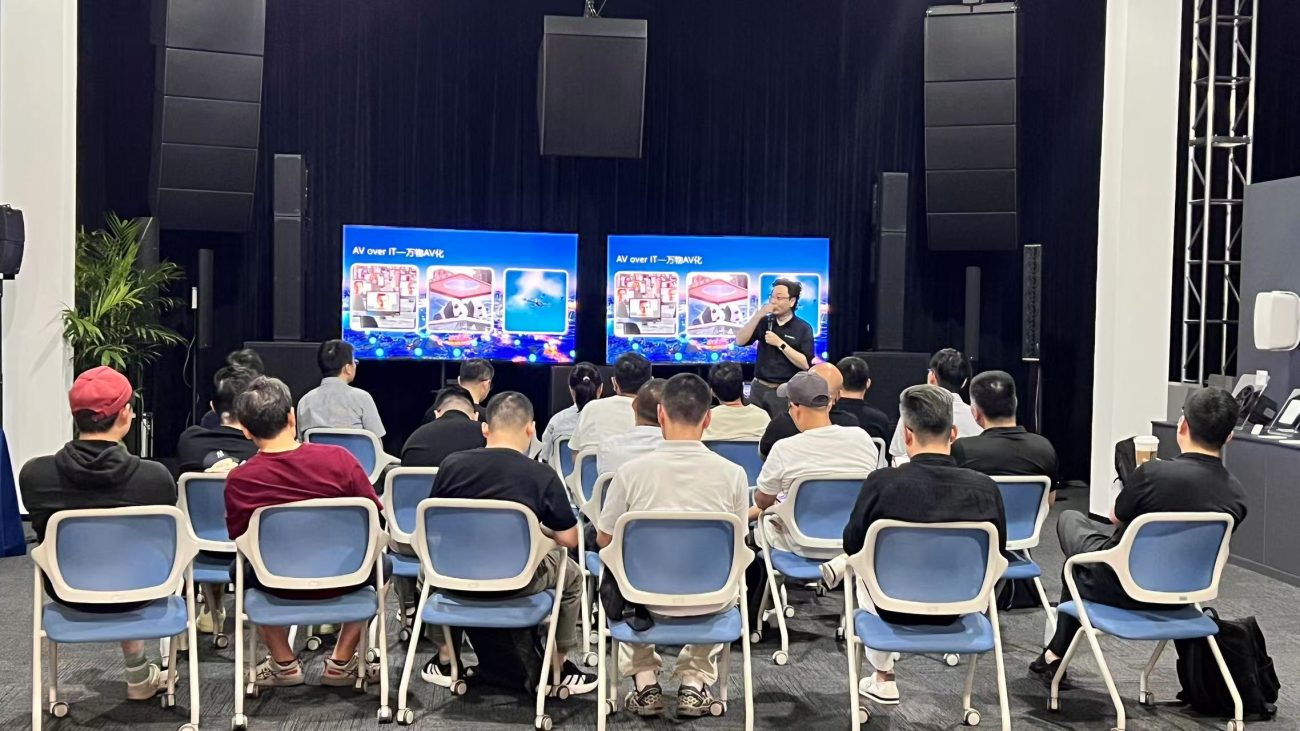
The training also included an AV-over-IP audio listening session, linking network architecture with real-world application and bringing concepts such as transport, clocking, and traffic scheduling back to the actual user experience.
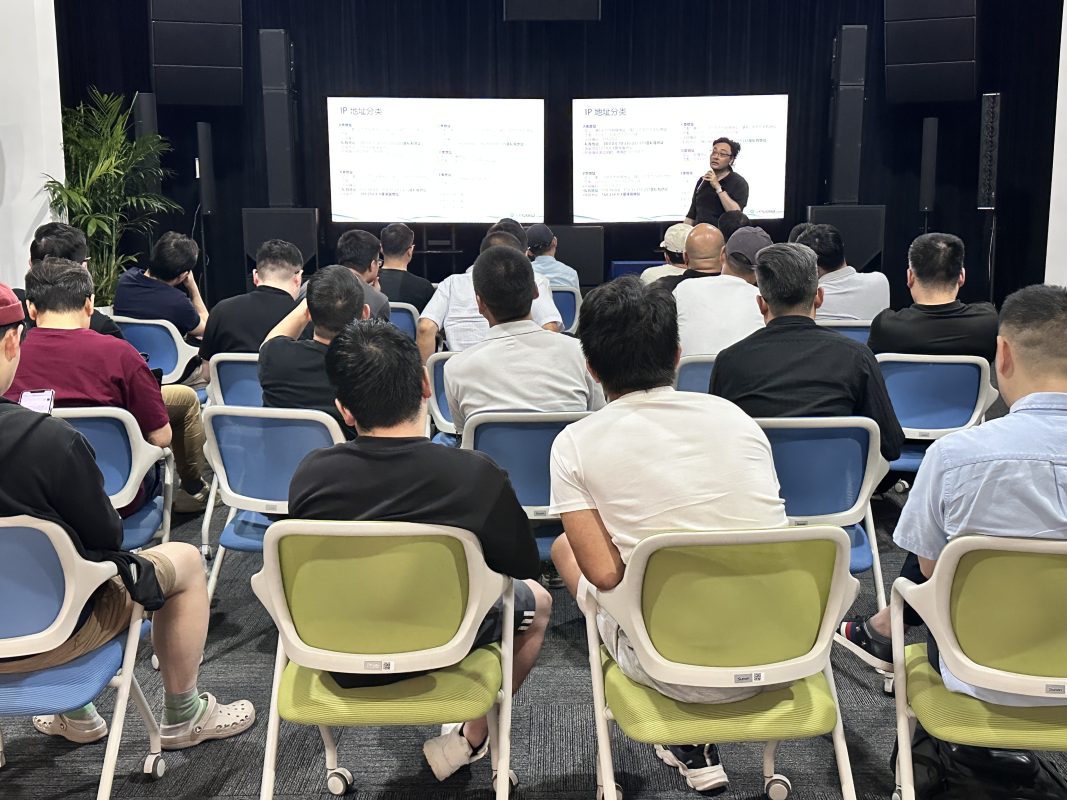
In complex AV-over-IP network design, the more endpoints, switches, and service types a system contains, the more important it becomes to consider access and core architecture, VLANs, multicast, QoS, link bandwidth, and long-term operations together, ensuring that different AV services can coexist reliably on the same network.
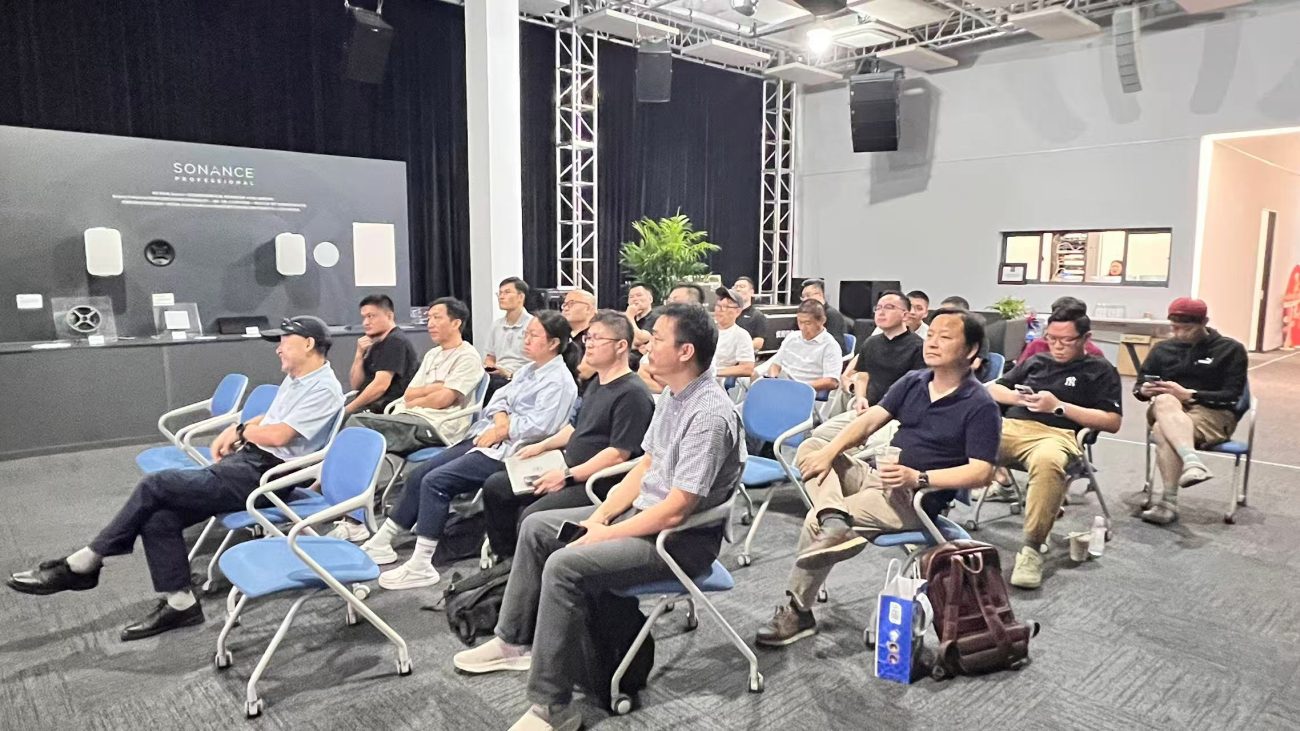
From the fundamentals of switching networks to the NDI ecosystem and AVB’s integration of audio with complex network architectures, this Shanghai training session provided a systematic overview of key issues in professional audio-video networking and further highlighted the current trend in AV-over-IP projects—shifting from single-service transmission toward multi-service convergence and unified management.